Showing posts with label Gondar. Show all posts

Wednesday, November 2, 2016

Fasil Castel

Image result for Gondar Ethiopia
Picture result for Gondar Ethiopia

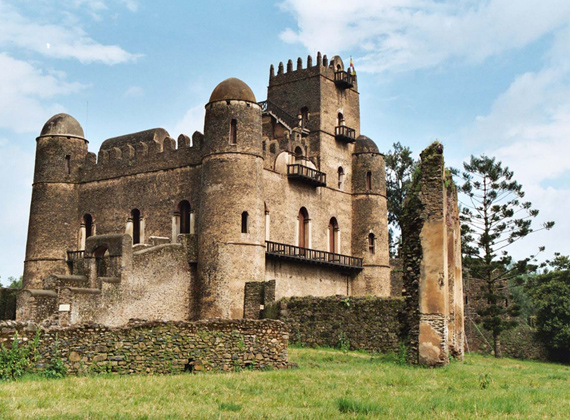
The Fasil Ghebbi (Imperial Walled in territory) lies at the heart of present day Gondar and gives the city a considerable amount of its character. Included by high stone dividers, the fenced in region covers a domain of 70,000m² and contains six fortresses, a complex of interfacing sections and raised walkways, and a couple of humbler structures.
It's a fascinating spot to explore, and one could without a lot of an extend spend a couple of hours here. At the passage an additional charge of US$6 is claimed. Tickets are generous for the day of acquirement fuse still photography. A camcorder attracts an additional charge of US$5. For a first-time visitor, obtaining an official guide is proposed. They are generally altogether learned and will raise segments that may some way or another be missed. Oversee costs start at around US$9 for a social occasion of one to five individuals; it is best that you first walk around under their instructive cost, then benefit for your own specific later to soak up a part of the atmosphere.

The most astounding estate inside the fenced in range is the initially worked by Fasilidas, c1640, to some extent restored in the mid twentieth century, and more totally restored, using the main improvement systems, with UNESCO sponsoring some place around 1999 and 2002. Fasilidas' Manor is made of stone and exhibits an exceptional mix of Portuguese, Axumite and even Indian effects. The ground floor involves assembling and devouring regions. The dividers are done with a picture like the Star of David, which transformed into the emblem of the Ethiopian royal family after the Solomonic custom recouped the regarded position in the thirteenth century. The essential floor top of the fortification was used for supplication and religious capacities, and it is moreover where Fasilidas tended to the townsfolk. Fasilidas' appeal to room, moreover on the essential floor, has four windows, every one of which faces a gathering. Stairs lead from the housetop to the little second-floor room that Fasilidas used as his resting quarters. Over this is an open shade, which was likely the watchtower. This third-floor arrange, 32m over the ground, offers sees each which route; on a fresh morning, you can even watch Lake Tana up and coming, underscoring the fundamental great position of picking Gondar as a capital.

Gondar, the City of Castles

DSC 0415
At the heart of present-day Gondar, just north of Lake Tana, sits the Royal Enclosure with its five castles built by a succession of Ethiopian kings beginning in the early 17th century. Having survived several wars, including air raids during World War Two, the castles are a testament to the resilience of this once mighty African Empire. In 1632, King Fasilidas proclaimed that Gondar, a previously obscure village, would be the site of the Empire's new capital and the population swelled to over 60,000.  For the next 250 years, the Kings of Ethiopia ruled from Gondar's castles. 
In addition to bringing stability to the Empire, King Fasilidas also reestablished the Ethiopian Orthodox Church as the official state religion (after his father's short turn with Catholicism.)  And near the Royal Enclosure is a small church with some of the finest examples of art of the Orthodox Church.  The ceiling of Debre Birhan Selassie, with its 80 cherubic angels, and the saints and demons who line its walls are some of the most iconic images of Ethiopia.
South of Gondar, is Lake Tana, the largest lake in Ethiopia and the source of the Blue Nile.  Ancient, but still used, monasteries dot the lake's many islands while hippos and traders paddling their papyrus boats ply its waters.  This region was once home to the Felasha, or Ethiopian Jews, and although most emigrated to Israel in the late 20th century, their influence is still felt in the symbols, customs, and rituals of the Ethiopian Orthodox Church.

Tuesday, November 1, 2016

Gondar’s Royal Enclosure

Image result for Gondar Ethiopia

The Fasil Ghebbi (Imperial Walled in area) lies at the heart of present day Gondar and gives the city quite a bit of its character. Encompassed by high stone dividers, the fenced in area covers a territory of 70,000m² and contains six strongholds, a complex of interfacing passages and raised walkways, and a few littler structures. It's an interesting spot to investigate, and one could without much of a stretch spend a few hours here. At the entryway an extra charge of US$6 is exacted. Tickets are substantial for the day of procurement incorporate still photography. A camcorder draws in an extra charge of US$5. For a first-time guest, procuring an official guide is suggested. They are for the most part entirely learned and will bring up components that may somehow be missed. Manage expenses begin at around US$9 for a gathering of one to five people; it is best that you first stroll around under their educational cost, then profit for your own particular later to drench up a portion of the climate.

The most amazing manor inside the fenced in area is the first worked by Fasilidas, c1640, in part reestablished in the mid twentieth century, and all the more completely reestablished, utilizing the first development strategies, with UNESCO subsidizing somewhere around 1999 and 2002. Fasilidas' Manor is made of stone and demonstrates a one of a kind blend of Portuguese, Axumite and even Indian impacts. The ground floor comprises of gathering and feasting territories. The dividers are finished with an image like the Star of David, which turned into the insignia of the Ethiopian imperial family after the Solomonic tradition recovered the honored position in the thirteenth century. The primary floor top of the stronghold was utilized for supplication and religious functions, and it is additionally where Fasilidas tended to the townsfolk. Fasilidas' petition room, additionally on the principal floor, has four windows, each one of which faces a congregation. Stairs lead from the rooftop to the little second-floor room that Fasilidas utilized as his resting quarters. Over this is an open overhang, which was likely the watchtower. This third-floor stage, 32m over the ground, offers sees every which way; on a crisp morning, you can even observe Lake Tana upcoming, underscoring the vital favorable position of picking Gondar as a capital.

GONDAR Review

Gondar
The city of Gondar, Ethiopia, is located in Ethiopia, 500 kilometers north of Addis Ababa, 35 kilometers from Lake Tana, and in the foothills of the Simien mountains. The city itself dates to the 17th century AD, when it was part was part of the Abyssinian Empire, a capital city founded in 1634 by Emperor Fasilidas. Gondar is now a tourist hot-spot, called “the Camelot of Africa.”

WHAT TO SEE IN GONDAR

THE ROYAL COMPOUND

Lying within 70,000 m.sq, the Royal Compound encompasses six greater castles and many different purposed buildings like the royal archive, house of the musicians, the lion cage, the horse zoo, the sauna bath, house of the spinners etc. The earliest and grandest of all edifices is that of Emperor Fasiladas, which is 32 meters high and with battlemented square tower. To the North of this castle stand the chancery of Emperor Yohannis I (1667-1682) and a marvelous palace of Iyasu I (1682-1770). The palace of Iyasu was amazingly overstated with ivory, gold, expensive stone etc. To the North West, lies Dawit III’s music hall, Emperor Bakafa’s banquet house and empress Mintwab’s palace. A huge circular wall with 12 gates forms the enclosure. West of Emperor Fasil’s archive, there is the church of Gimjabet Mariam.

THE BATH OF EMPEROR FASILADAS

It is a kilometer away to the west of the city. We are told that during the principal of Gondar the bath had been used for sports and religious rites on the day of epiphany. But now it is engaged only for the annual celebration of baptism. Nearby lies the tomb of Emperor Fasiladas’ great horse, Zobil.

 DEBRE-BIRHAN SILLASSIE

The monastery of Debre-Birhan Sillassie, built during the superiority of Iyasu I, is famous especially for its fine frescoes. The upper limit and the beams are painted with rows of winged angels and the wall with inspiring biblical events that reflect the life of Christ, Mary, the Saints and martyrs. The church’s complex is also a botanical garden rich with massive junipers and old olive trees on which birds of different species nest. At the back of the field is a time-honored school where famous clerics of the nation learn church music, writing and binding of parchments.

 THE QUSQUAM COMPLEX

Founded by Empress Mintwab, the monastery of Qusquam and the ruined palace are located to the west of the town at about three kilometers from the city center. Qusquam was the last flower of Gondar before magnificence of the city wilted due to courtyard intrigues and reproachful civil wars.

THE FELASHA VILLAGE

Situated three kilometers to the north from the city center, the small village of Weleqa was once settled by the Felasha community (Ethiopian Jews). For its history and center of craftsmanship like clay pots.

 GORGORA

The old town of Gorgora that lies on the Northern Shore of Lake Tana was the seat of Emperor Susenyos, father of Emperor Fasildas in the early 17thc. Near Gorgora are remarkable monasteries of the 14thc of which Debre Sina Mariam is the most important. The living style of the frugal communities in the Mendaba monastery, the palace of Susenyos and the monument of Mussolini are other wonders. The palace is very shining and surprisingly decorated Standing on a superior hill, the monument of Mussolini offers an stupendous look at Lake Tana and the lush plains of Dembya. It is supposed that it was built as a bonfire for motorboats from the Lake.

GUZARA

Empereor Tsarsa-Dingle, founder of the Gondarine empire in the late 16thc, had built a equipped plaza plan castle on the Guzara hill. It is excellently positioned near the town of Enfranz at the side of Gondar- Bahir Dar highway overlooking the sandy beach of Lake Tana.

KOSSOYE-

Found 30 kilometers from Gondar on the way to Aksum, Kosoye is known for its charming beauty and tradition as a camp when Queen Elisabeth of England visited Ethiopia in 1965. Standing to the west of the village enables to watch the most stunning and gentile escarpment that slops down to the Sudan.

SIMIEN NATIONAL PARK

Simien National Park is a spectacular landscape with high biodiversity. It comprises one of the major mountain massifs of Africa, separated by broad river valleys. A number of peak rise above 4000m, including Ras Dashen.
The stunning landscape of the Simien Mountains is the result of significant seismic activity in the area about 40 million years ago. Molten lava poured out of the Earth’s core reaching a thickness of 3000m.
The mountains are home to three of Ethiopia’s larger endemic mammals: the walia ibex, the more common gelada baboons, and the very rarely seen Ethiopian wolves.

Sunday, October 30, 2016

Gondar City Review

Image result for Gondar

Portrayal

Gondar is 50 kilometers north of Lake Tana, 500 kilometers north of Addis Ababa and settles in the foothills of the Simien mountains at 2,200 meters above ocean level. Gondor was the capital of Ethiopia from the ascent of Fasilades to the fall of Tewodros (1855-68) which is reflected in the numerous strongholds and castles in the city.

Attractions

Strongholds

The city's primary supreme region, known as the Illustrious Fenced in area, covers a range of 7.7 hectares and contains five mansions, raised walkways and associating burrows encompassed by high stone dividers.

The most seasoned of these is the Château of Fasilades. Worked of stone in the mid-seventeenth century it mirrors various impacts, Axumite, Portuguese and Indian. The upper story offers all encompassing perspectives and Lake Tana is unmistakable on a crisp morning. The palace has been redesigned as of late.

Fasilades grandson, Lyasu the immense, manufactured his own manor and embellished it with ivory, gold and valuable stones yet a quake in the mid nineteenth brought on extreme harm.

Different Attractions

The royal residence of Ras Beit, was inherent the eighteenth century as a private living arrangement of the well known ruler producer, Ras Mikael Sehul and has been in continuos occupation from that point forward.

Shower of Fasilades is an indented pool still utilized for the Timkat Celebration as a part of January.

Convenience

Abba Jelli Inn, spotless, great esteem with perspectives of the mansions.

Fasilades, on the airplane terminal street. Spotless and amicable, safe stopping for vehicles and a decent eatery.

Patrice Lumumba, near the piazza/broadcast communications bldg (close to the Misrak), the sign is in Amharic You can bargain over the cost of the lodging, eatery connected.

Yimam, great esteem and with an eatery adjacent. Additionally has safe stopping office for vehicles.

There are numerous other E-review extend inns in the region of the piazza/telecom structures.

Fagera Lodging, fundamental, initially worked by one of Mussolini's fascists as an estate, roomy rooms.

Misrak Annuity, Woreda 1, Kebeale 2, No 217, PO Box 391.

Where to Eat

Quara Lodging, government run inn with eatery. Great esteem.

Tele Club, beside the stairs of the Mail station - espresso, bread, fabulous breakfasts.

Ethiopia Bistro, enchanting, out-dated, ground floor of inn, stuffed throughout the day, incredible espresso.

There are numerous other modest bistros in the downtown area. A hefty portion of the shoddy inns additionally offer sustenance.

Arriving and Away

Air:

Ethiopian Aviation routes, PO Box 130, Tel. 08-110129, flies every day to Gondar. Air terminal is 17 kilometers from town. You are prescribed to book/affirm forward flights at the Ethiopian Aircrafts office in Gonda (in light of the fact that office has PCs - there's nothing mechanized in either Axum or Lalibela.

Street:

Course from Addis is by means of Bahar Dar and the entire adventure is 600 kilometers Travel is troublesome in

June-september when the downpours are substantial. it is reasonable to permit 3 days for the voyage there, with stops in Debre Markos or Dejen and Bahar Dar. There are customary transports running along this course. From Bahar Dar the voyage takes 5 hours. There is currently an immediate transport benefit amongst Gondar and Shire (Inda silase) leaving at 0630 from both Gondar and Shire. In any case if the transport tops off before the arranged takeoff time, it leaves; so touch base by no less than 0530. The adventure takes around 11 hours and there is a stop at Debark

(4 hours from Gondar).

Banks

There are banks which will change cash in Gondar.